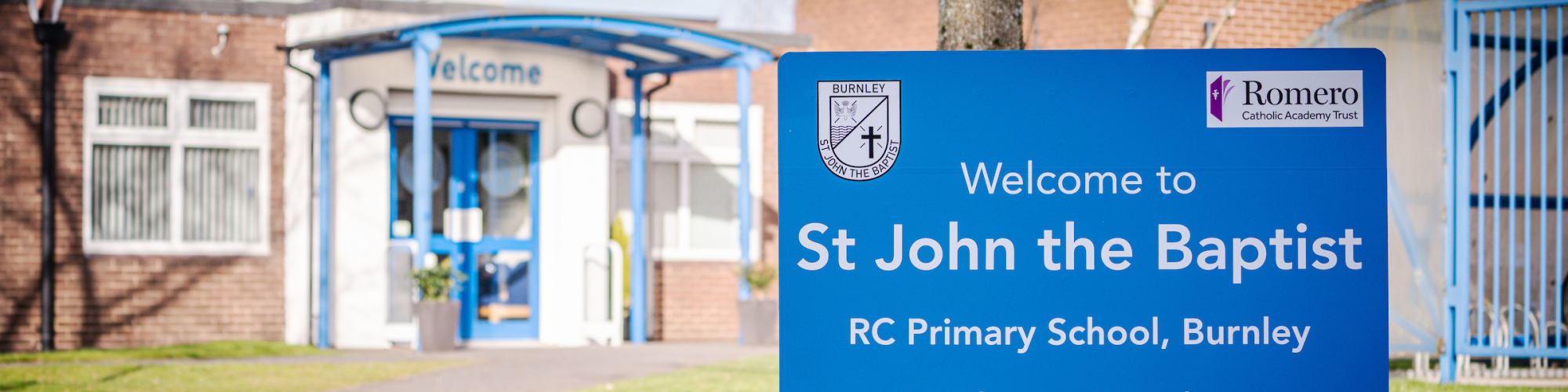
Welcome to History at St John’s.
History Curriculum Intent
Our History curriculum is designed to inspire pupils’ curiosity about the past and develop a secure understanding of Britain’s history and the wider world. Through a carefully planned and sequenced curriculum, pupils build chronological knowledge and explore significant events, people, and civilisations that have shaped society. Our curriculum enables them to think critically, ask questions, and understand how the past has shaped the present. We ensure that all pupils develop a secure understanding of chronology, significant events, and historical concepts, while becoming increasingly confident in analysing evidence and forming their own interpretations.
Our curriculum begins in Key Stage 1 by building pupils’ awareness of the past through familiar contexts, significant individuals, and simple timelines. This knowledge is then extended in Key Stage 2, where pupils study British history and wider world civilisations in greater depth, developing their ability to think critically, make connections, and analyse evidence.
Pupils are supported to:
- Develop a clear sense of chronology, understanding how periods and events connect over time
- Explore key historical concepts such as cause and consequence, change and continuity, similarity and difference, and significance
- Ask thoughtful questions and engage in historical enquiry
- Use a range of sources to investigate the past and form their own interpretations
- Communicate their understanding using appropriate historical vocabulary
National Curriculum Alignment
- In line with the National Curriculum, we ensure that all pupils develop both substantive knowledge (what happened in the past) and disciplinary skills (how historians investigate and interpret the past).
- KS1
- Events beyond living memory
- Significant individuals (national and global)
- Changes within living memory
- Local history
- KS2
- Chronological study of British history (Stone Age → present)
- Roman Britain, Anglo-Saxons, Vikings
- Local history study
- Ancient civilisations (e.g. Egypt, Greece)
- Non-European society (e.g. Maya)
We aim for all pupils to leave primary school with a coherent understanding of the past, an appreciation of different cultures and societies, and the skills to think as historians. This prepares them for further study and helps them understand how history has shaped the world they live in today.